
"coffee tree pruning"
700 article(s) found

Coffee Culture-an introduction to the Source of the word Coffee
The coffee tree is an evergreen cotyledon plant native to Ethiopia and belongs to the Coffee genus of the Rubiaceae family in botany, with a height of up to 10 meters, while artificial growers are only two to four meters tall due to pruning. Coffee will probably seed in three to four years, and the yield will decrease after 20 to 25 years, but some coffee trees will still bear fruit after more than a hundred years.
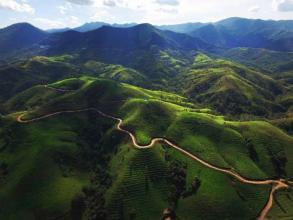
Flavor description of Honduran Coffee beans introduction of Grinding scale varieties by Taste treatment
Flavor description of Honduran coffee beans taste treatment grinding scale variety introduction washing treatment of Honduran coffee, it is not only BIO organic certified coffee, but also an organic trade coffee, the proceeds from the sale of raw coffee beans will directly benefit the country of origin manor, used for sanitation, education, drinking water and other projects. Every time you buy a bag of Fairtrade coffee, it's for coffee.

Introduction to the production area of Costa Rica Yellow Honey Coffee Bean by Grinding scale treatment
The coffee trees grown in Costa Rica are all Arabica coffee trees. Through improvement, the quality of coffee beans is better and more stable. In order to facilitate picking, coffee trees are maintained at a height of about 2 meters by continuous pruning. The coffee that people eat is the taste of seeds in the fruit that are brewed in water. Pick

Grinding scale of Cuban Crystal Mountain Coffee varieties taste treatment manor introduction
The coffee tree is an evergreen cotyledon plant native to Ethiopia and belongs to the Coffee genus of the Rubiaceae family in botany, with a height of up to 10 meters, while artificial growers are only two to four meters tall due to pruning. Coffee will probably seed in three to four years, and the yield will decrease after 20 to 25 years, but some coffee trees will still bear fruit after more than a hundred years.
Introduction to the characteristics of taste and quality of Honduran coffee beans by flavor description treatment
Honduras coffee beans are located in the north of Central America, the Caribbean Sea to the north, the Gulf of Fonseca in the Pacific to the south, Nicaragua and El Salvador to the east and south, and Guatemala to the west. mostly mountains and plateaus. It has a tropical climate, mild temperature and abundant rainfall, so it is an ideal place for coffee growth. Flood
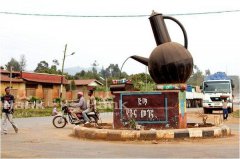
Yega Sheffield Coffee Taste describes the planting situation in Yejashefi Coffee Coffee producing area
For professional baristas, please follow the coffee workshop (Wechat official account cafe_style). The Ethiopian cultivation system is the most diverse. Forest coffee (Forest coffee) refers to wild coffee trees in primeval forests. Protected by the government, there are special personnel to harvest. The total output is only 510%. two。 Semi-forest coffee (Semi-forest coffee) refers to semi-wild coffee, which is regularly pruned by farmers.

Costa Rican Yerzaro Coffee Flavor description introduction of fine coffee beans in the producing area
All the coffee trees planted in Costa Rica are Arabica coffee trees. through improvement, the quality of coffee beans is better and more stable. in order to facilitate picking, coffee trees are kept at a height of about 2 meters through continuous pruning. The coffee that people eat is the taste of the seeds in the fruit that are brewed in water. After picking raw coffee beans, the peel, pulp, seed film and sun exposure must be removed.

Introduction to the flavor and taste characteristics of Costa Rican Fire Phoenix Manor Coffee
All the coffee trees planted in Costa Rica are Arabica coffee trees. through improvement, the quality of coffee beans is better and more stable. in order to facilitate picking, coffee trees are kept at a height of about 2 meters through continuous pruning. The coffee that people eat is the taste of the seeds in the fruit that are brewed in water. After picking raw coffee beans, the peel, pulp, seed film and sun exposure must be removed.

Costa Rica Phoenix Manor Coffee Flavor Taste Manor Features
Costa Rica's main agricultural products, with an annual output of more than 2 million bags (60 kg), export foreign exchange of 250 million US dollars, second only to pineapple and banana. In Costa Rica, Arabica coffee trees are grown, improved, the quality of coffee beans is better and more stable; in order to facilitate picking, coffee trees are continuously pruned to maintain a height of about 2 meters; people eat coffee fruit.

El Salvador Coffee El Salvador Warriors Manor San Carlos introduction.
Professional coffee knowledge exchange more coffee bean information please follow the coffee workshop (Wechat official account cafe_style) San Carlos Warrior Manor is located in Canton Potrero Grande Arriba, is home to many famous coffee farms in El Salvador. The farm is very close to the summit of Mount Santa Ana in Santa Ana. The Warrior Manor has an amazing landscape and a miniature climate.

Costa Rican coffee producing areas and exports account for 1/3 of the world's coffee types.
All the coffee trees planted in Costa Rica are Arabica coffee trees. through improvement, the quality of coffee beans is better and more stable. in order to facilitate picking, coffee trees are kept at a height of about 2 meters through continuous pruning. The coffee that people eat is the taste of the seeds in the fruit that are brewed in water. After picking raw coffee beans, the peel, pulp, seed film and sun exposure must be removed.

Introduction of flavor description and grinding degree characteristics of Costa Rican coffee beans
All the coffee trees planted in Costa Rica are Arabica coffee trees. through improvement, the quality of coffee beans is better and more stable. in order to facilitate picking, coffee trees are kept at a height of about 2 meters through continuous pruning. The coffee that people eat is the taste of the seeds in the fruit that are brewed in water. After picking raw coffee beans, the peel, pulp, seed film and sun exposure must be removed.
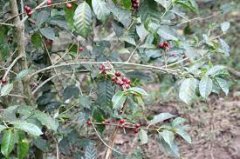
What is a shaded coffee tree? What are the effects of the benefits of shaded coffee on the flavor characteristics of coffee beans
Coffee grown in the shade is grown under the canopy of tall trees, which provide shade. Traditionally, coffee has been grown in this way under the canopy of a natural forest, which has many benefits. However, pressure to increase crop yields has led some coffee crops to grow under reduced shading and / or direct sunlight, which requires greater use of pesticides and non-

Description of taste and flavor of Costa Rican coffee introduction of grinding scale in producing area
Costa Rican coffee taste description treatment method variety characteristics grinding scale introduced that coffee trees planted in Costa Rica are all Arabica coffee trees, through improvement, the quality of coffee beans is better and more stable; in order to facilitate picking, coffee trees are maintained at a height of about 2 meters by continuous pruning; the coffee that people eat is the flavor released by the seeds in the fruit soaked in water.

Honduras Coffee Kadura Coffee Flavor Description Processing Grind Scale Features Estate Introduction
Honduras Coffee Kadura Coffee Flavor Description Processing Method Grinding Scale Features Manor Introduction Honduras coffee beans are larger in size, uniform in color and shiny. To facilitate harvesting, farmers prune coffee trees to no more than 150 centimeters, which requires ladders to be erected, which takes time and can cause damage by bending branches

Flavor description of Costa Rican coffee beans introduction to the taste of varieties in the process of picking
All the coffee trees planted in Costa Rica are Arabica coffee trees. through improvement, the quality of coffee beans is better and more stable. in order to facilitate picking, coffee trees are kept at a height of about 2 meters through continuous pruning. The coffee that people eat is the taste of the seeds in the fruit that are brewed in water. After picking raw coffee beans, the peel, pulp, seed film and sun exposure must be removed.

Introduction to the varieties of Coffee beans produced by Grinding scale and Regional treatment method in San Juan, Honduras
Grinding scale production of San Juan Coffee beans in Honduras varieties introduced that the granules of coffee beans in Honduras are large in shape, uniform in size and uniform in color. In order to harvest conveniently, the farmers will prune the coffee trees to no more than 150 centimeters, because if they grow too high, they must set up ladders to pick, which is not only time-consuming, but also may hurt the trees by bending branches.

Characteristics of Coffee varieties treated by Grinding degree of Fenghuang Manor in Costa Rica
All the coffee trees planted in Costa Rica are Arabica coffee trees. through improvement, the quality of coffee beans is better and more stable. in order to facilitate picking, coffee trees are kept at a height of about 2 meters through continuous pruning. The coffee that people eat is the taste of the seeds in the fruit that are brewed in water. After picking raw coffee beans, the peel, pulp, seed film and sun exposure must be removed.

Introduction of Honduran coffee which tastes neither astringent nor sour, mellow and fragrant.
Hongduras coffee bean particles are large in shape, uniform in size, uniform in color and glossy. In order to facilitate harvesting, farmers will prune the coffee trees to no more than 150 centimeters, because if they grow too high, they have to set up ladders to pick, which is not only time-consuming, but also may damage the trees by bending branches. As the ripening period of each fruit of the coffee bean is different, it is necessary to keep the coffee bean good.
Cultivation techniques of small Coffee in Yunnan Province Pest Control of Coffee trees
1. Coffee tiger, longicorn beetle. The coffee tiger longicorn beetle harms the coffee trunk for more than 2 years. At first, it eats between the cambium and xylem, and then eats the xylem. It has a great effect on coffee, the light ones make the plants yellow, withered branches and fruit drop, and the serious ones die of the whole plant. At the initial stage of the damage, there was no obvious hole in the appearance, but only slightly raised in the epidermis of the injured area. Prevention and control methods: strengthening the management of ①